Buying Directly from Dubai Developers: Pros, Cons, and What to Know Before You Sign
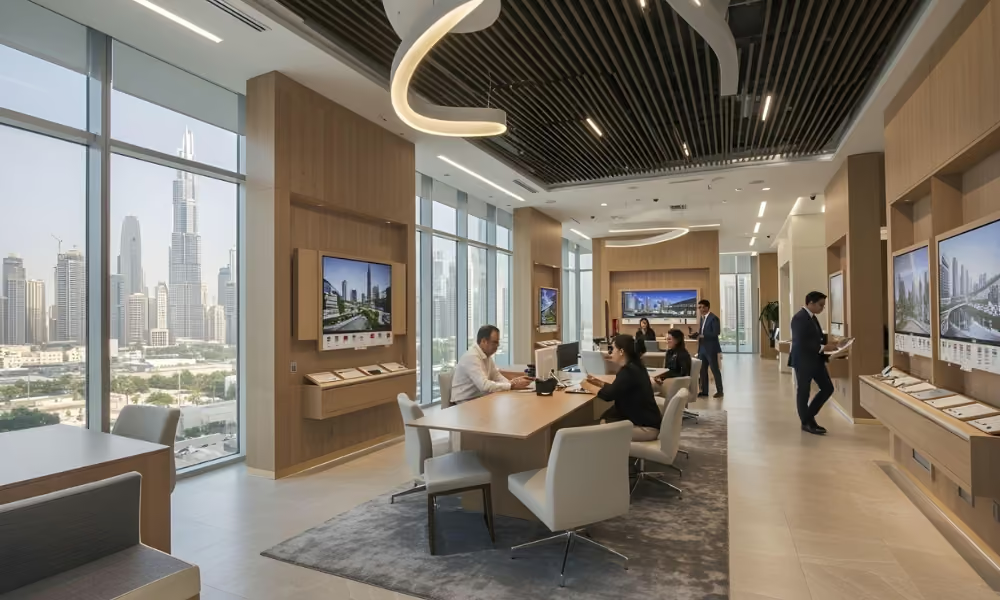
Table of contents
- Should You Buy Direct from a Developer in Dubai's Real Estate Market?
- Understanding Freehold Properties in Dubai
- Freehold Areas: Where Can Foreigners Buy?
- Dubai Real Estate Investment Options
- Potential Cost Savings: Understanding the Financial Advantages for Property Investment
- Additional Costs to Consider When Buying Directly from Developers
- Direct Negotiation: The Benefits of Dealing Directly with the Developer
- Pros vs Cons: Developer Direct vs Resale Market Comparison
- Due Diligence Challenges: Risks and Legal Considerations
- Market Trends
- Market Knowledge: The Importance of Accurate Property Values and Valuation
- Buying vs. Renting in Dubai: Which is Right for You?
- Transaction Process: The Legal and Administrative Steps
- FAQs
- Know When It's Right to Go Direct
Buying directly from developers in Dubai offers flexible payments and customization, but carries construction delays and market risk. Weigh these pros and cons carefully before investing in off-plan properties.
Dubai combines strong infrastructure with a dynamic property sector, which makes it a top choice for investors worldwide. The city's strategic location as a global trade and business hub connects Europe, Asia, and Africa, further enhancing its appeal for international investors. Dubai's economy is a resilient and diverse economic hub, transitioning from oil dependence to sectors like tourism, real estate, and technology, which attracts global investors. Dubai's real estate market and Dubai's property market are recognized for their resilience and strong investment opportunities, even during global economic fluctuations.
The city's booming economy and sustained economic growth are key drivers that continue to attract real estate investment. Real estate demand in Dubai is fueled by rapid population growth and a strong economy, supporting both residential and commercial property sectors. Dubai's tax treatment and freehold ownership make it appealing, though there are also important considerations for investors.
The UAE government plays a major role in supporting investor-friendly policies and ensuring market stability, with initiatives like tax benefits, freehold ownership, and ongoing development programs. These factors collectively support property investment in Dubai.
Should You Buy Direct from a Developer in Dubai's Real Estate Market?
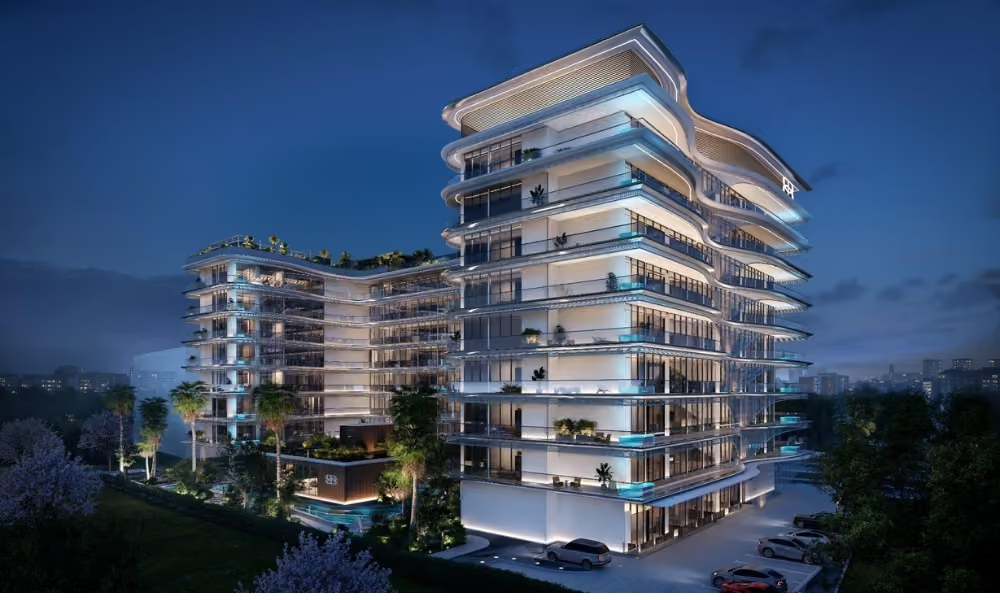
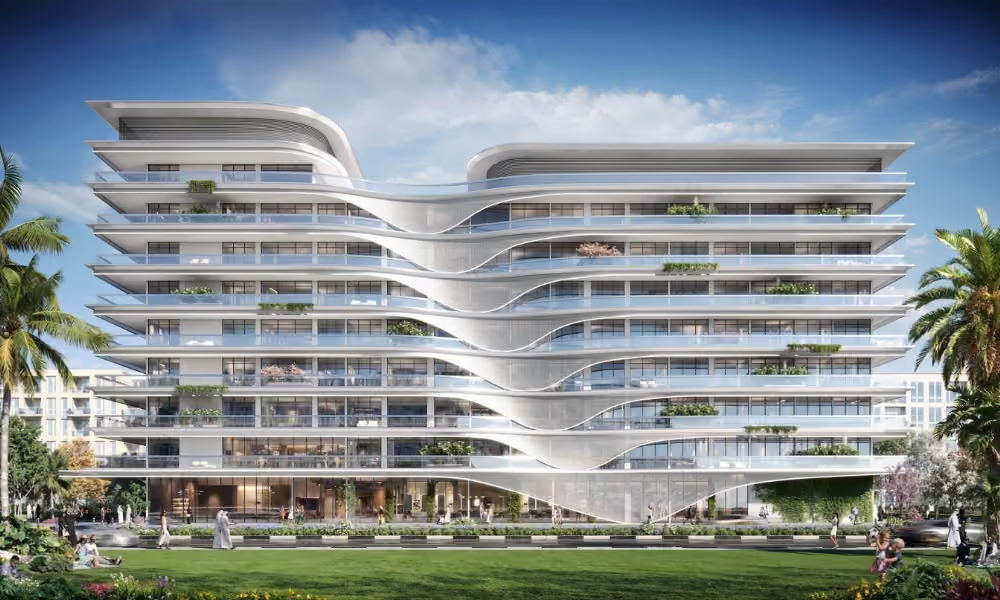
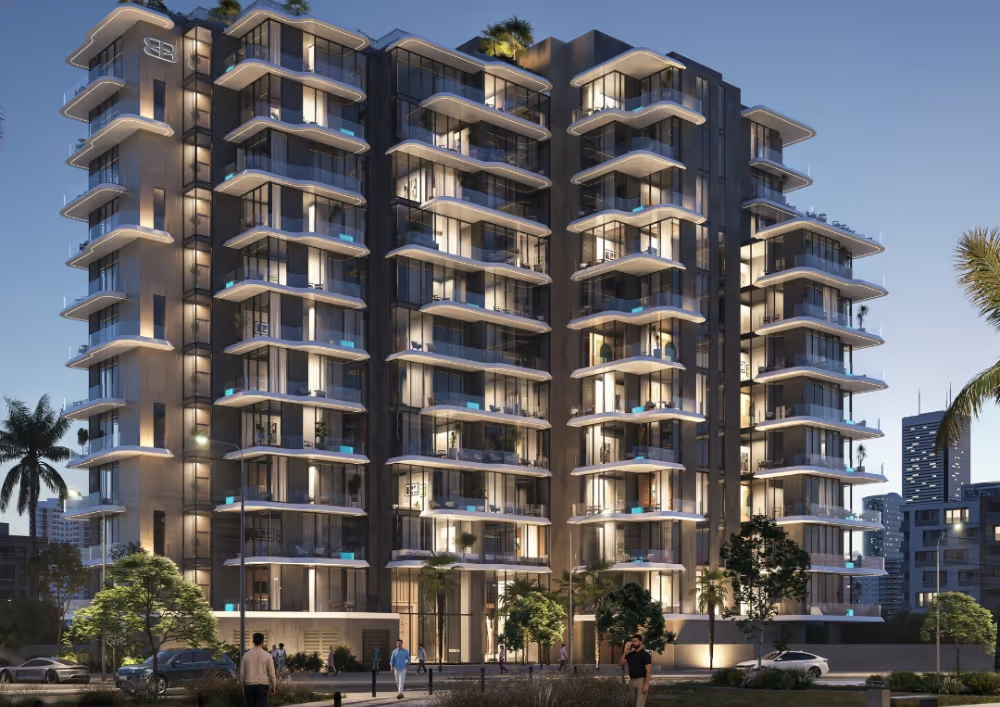
Thinking of buying property in Dubai? One of the biggest decisions you'll face is whether to go through an agent or deal directly with a real estate developer. Developers such as Pearlshire, a boutique developer, sell directly to buyers. But is it the right move for you?
Let's break down the advantages, challenges, and everything in between when buying freehold vs leasehold property in Dubai directly from property developers in UAE. Freehold ownership in Dubai is especially attractive for foreign investors, as it grants full control over the property, including the rights to buy, sell, lease, and occupy without restrictions. The concept of foreign ownership in Dubai allows foreigners to buy property in designated freehold zones, providing legal rights to purchase, own, and freely transfer property under a clear legal framework. Owning property in Dubai offers long-term investment potential and access to the city's amenities and landmarks. When considering purchasing property, understanding real estate ownership structures is a key factor for buyers, as it impacts legal rights and investment benefits. The process by which foreigners buy property in Dubai involves knowing the types of ownership available and the legal requirements for each. Evaluating the risks and benefits associated with purchasing property is essential, taking into account market stability and economic conditions. Before making any decisions, thorough research helps you understand all aspects of the Dubai real estate market.
Understanding Freehold Properties in Dubai
Freehold properties in Dubai represent a significant advantage for foreign investors seeking full ownership rights in one of the world's most dynamic real estate markets. Overseen by the Dubai Land Department, the process of registering and transferring freehold properties is transparent and secure, giving property buyers confidence in their investment. Freehold ownership means you have complete control over your property, including the right to sell, lease, or occupy it as you wish.
These properties are available in designated freehold zones: prime locations such as Dubai Marina, Downtown Dubai, and Palm Jumeirah. These areas are especially popular among property investors. Freehold properties in these sought-after neighborhoods give buyers access to the area's amenities and a way to benefit from Dubai's ongoing economic growth and real estate innovation.
For anyone considering property investment in Dubai, understanding the concept of freehold properties and the role of the Dubai Land Department is essential. These freehold zones are designed to attract international investors, making Dubai a leading destination for real estate investment in the region.
Freehold Areas: Where Can Foreigners Buy?
Dubai's designated freehold zones open the door for foreigners to buy property in some of the city's most promising districts. Bayut lists Business Bay, Jumeirah Village Circle and Dubai Sports City as freehold areas. Foreign buyers can own freehold property only in areas designated by Dubai law, so confirm the specific building's title with the Dubai Land Department before you buy. These areas offer a diverse selection of residential and commercial properties, from modern apartments to spacious villas and office spaces. These freehold areas are highly attractive to foreign investors because they let foreign buyers own property outright.
The Real Estate Regulatory Agency (RERA) regulates property transactions in these zones, ensuring that every purchase is fair, transparent, and secure. Foreign investors can purchase property in these freehold areas without the need for a local sponsor, making the process straightforward and accessible. Dubai's freehold zones provide many options in both residential and commercial real estate, for personal use or as a long-term investment.
By focusing on these designated freehold zones, international buyers can confidently invest in Dubai's thriving real estate market, taking advantage of the city's infrastructure and investor-friendly regulations.
Dubai Real Estate Investment Options
Dubai offers a wealth of real estate investment options tailored to the needs of both local and international investors. Residential properties, including stylish apartments and luxury villas, are available in some of the city's most sought-after neighborhoods. These prime locations are popular with investors, though rents and prices vary by building and can fall as well as rise.
Dubai residents benefit from a secure environment and access to strong healthcare, which enhances the city's appeal for both living and investment.
off-plan properties and new developments can offer advantages such as staged payment plans, along with construction and market risk. Dubai's real estate regulator oversees the market, but buyers should still check each project themselves as they explore the city's property market.
Potential Cost Savings: Understanding the Financial Advantages for Property Investment
When you buy directly from developers like Pearlshire, you're often avoiding commission fees charged by third-party agents. However, keep in mind that there can still be high initial costs, such as registration fees and agent commissions, which are important to consider when budgeting for your purchase. Upon completion of the purchase, buyers receive a title deed, which secures their legal ownership and full control over the property.
Terms differ by developer, and anything offered should be written into the sale and purchase agreement (SPA). Developers may offer:
- Launch pricing
- Staged payment plans
- Post-handover payment options
Dubai's property prices vary widely by area and building, so it helps to compare which type of property suits you. Rental income is possible if you let the property, but it depends on the unit, the rent achieved and running costs, and demand for rental properties differs by area.
Dubai's tax free benefits and tax free environment are major financial advantages, as investors benefit from zero income tax, no capital gains tax, and favorable policies for real estate investment. Dubai also does not impose property tax or annual property taxes, significantly reducing ongoing costs for property owners compared to other countries.
If you're comparing deals, compare the developer's price and terms with resale listings for similar units.
Additional Costs to Consider When Buying Directly from Developers
While buying property directly from developers in Dubai can offer savings on agent commissions and access to launch pricing, it's important for property buyers and investors to be aware of the additional costs involved. Beyond the purchase price, you'll need to budget for several mandatory fees and potential hidden costs.
The Dubai Land Department registration fee is 4% of the sale value, which DLD lists as 2% for the seller and 2% for the buyer; the contract sets who bears each share. If you're financing your purchase with a mortgage, a mortgage registration fee, usually 0.25% of the loan amount, will also apply. While Dubai is known for its tax-free environment, buyers should still consider annual property taxes, maintenance fees, and other ongoing costs associated with property ownership.
Market volatility can also impact property values, so it's wise to factor in potential fluctuations when planning your investment. Maintenance fees, service charges, and unexpected repairs can add up over time, so it's essential to account for these hidden costs to avoid surprises down the line. By understanding all the additional costs involved, property investors can make informed decisions and ensure their investment in Dubai's real estate market stays within their budget.
Direct Negotiation: The Benefits of Dealing Directly with the Developer
One of the key perks is negotiating without a middleman. Many developers in Dubai are open to tailoring deals based on:
- Payment flexibility
- Unit availability
- Extra items such as parking or upgrades, if the developer agrees
Direct negotiation also supports strategic investments, as buyers can customize agreements to align with their own goals.
Buying from a developer such as Pearlshire means dealing with its sales team directly. Developers are often more open to dialogue on payment terms than third-party agents.
Pros vs Cons: Developer Direct vs Resale Market Comparison
| Comparison Factor | Developer Direct | Resale Market |
|---|---|---|
| Price Advantage | Launch prices; no agent commission | Negotiable; no direct developer discount |
| Payment Plan | Flexible, staged payments during construction | Immediate full payment required |
| Customization | Off-plan options: finishes, layouts, upgrades | Fixed designs; minimal customization |
| Immediate Occupancy | Construction timeline (1 to 3+ years) | Move-in ready; instant possession |
| Market Risk | Value fluctuations until handover; construction delays | Established prices; lower construction risk |
| RERA Protection | Escrow accounts; milestone-based payments | Title transfer; post-purchase support varies |
| Best For | Long-term holders; budget-conscious buyers | End-users; buyers needing immediate housing |
Due Diligence Challenges: Risks and Legal Considerations
That said, it's not all smooth sailing. When buying directly:
- The responsibility for due diligence falls on you.
- You must check RERA registration, developer history, and the project's escrow status.
- There's no neutral party advocating purely on your behalf.
Tip: Always verify the developer is registered with the Dubai Land Department and request the payment schedule upfront.
Market Trends
Dubai's real estate market is shaped by a combination of local demand, global economic trends, and proactive government initiatives. While market volatility can occur, the city's infrastructure, strategic location, and business-friendly environment continue to draw both real estate investors and foreign investors seeking opportunities. The introduction of programs like the Golden Visa has further enhanced Dubai's appeal, offering long-term residency to investors and reinforcing the city's reputation as a stable environment for real estate investment.
As Dubai continues to diversify its economy and attract foreign investment, the property market stays tied to local demand, global economic trends and new supply. Prices and rents can rise or fall, so treat any forecast with caution.
Market Knowledge: The Importance of Accurate Property Values and Valuation
Without an agent, you may not always know if you're paying market value or a premium. Real estate companies in UAE might offer incentives that sound good, but a buyer needs to:
- Compare similar projects
- Review past transaction data
- Understand the neighborhood growth
It's also important to monitor property values, as they can fluctuate significantly with market conditions, global economic shifts, and regional stability. For international buyers, currency exchange rates can change the cost of purchasing in your home currency, so keeping an eye on exchange rate stability matters.
Developers can usually provide comparable pricing on request, but don't skip your own research. Learn more by comparing off-plan vs ready properties to understand market dynamics better.
Buying vs. Renting in Dubai: Which is Right for You?
Choosing between buying property in Dubai and renting depends on your financial goals, lifestyle, and long-term plans. Buying property in Dubai can provide rental income and long-term ownership, in a market with no capital gains tax, though values and rents can fall as well as rise.
However, purchasing property requires a significant upfront investment, including the down payment, registration fees, and ongoing maintenance fees. Property investors should also consider market trends, economic growth, oil prices, and global economic conditions, as these factors can influence property values and rental demand.
Renting, on the other hand, provides flexibility and lower initial costs, making it a suitable option for those who are new to Dubai or prefer not to commit to a long-term investment. Renters can easily adapt to changing circumstances without the responsibilities of property ownership.
The decision to buy or rent property in Dubai should be based on your budget, investment goals, and personal circumstances. For those seeking long-term investment opportunities and the benefits of Dubai's tax-free environment, buying property can make sense. For others, renting may offer the flexibility and affordability they need. Carefully weigh the pros and cons, and consider consulting with real estate professionals to make the best choice for your situation.
Transaction Process: The Legal and Administrative Steps
Direct purchases still require:
- Signing a Sales and Purchase Agreement (SPA)
- Paying registration fees
- Obtaining No Objection Certificates (NOC) (in case of resale)
- DLD approvals
An essential step in this process is verifying and obtaining the title deeds, which serve as official proof of property ownership in Dubai. Title deeds are required to complete the property transfer and ensure the buyer's legal rights. Learn more about Oqood vs Title Deed registration to understand which documentation protects your investment.
Fortunately, real estate developers generally handle the off-plan registration with the Dubai Land Department themselves, which keeps the documentation simple.
FAQs
1. What are the benefits of buying directly from a property developer in Dubai?
Buying directly from developers often means you avoid agent commissions, gain access to launch pricing and flexible payment plans, and enjoy customization options before completion. Incentives vary by developer and should be confirmed in the SPA.
2. Is it safe to buy off‑plan property directly from a developer in Dubai?
Yes, if you do your due diligence. Ensure the developer is RERA-approved and uses escrow accounts, which protect your investment. Escrow accounts and milestone-based payments reduce the risk, but they do not remove it.
3. How much money can I save by skipping an agent in Dubai?
By bypassing agents, you avoid an agent's commission, which is usually a percentage of the price. Ask the developer whether any fee or incentive applies and get it in writing in the SPA.
4. What customization options do developers offer for off‑plan homes in Dubai?
When buying off-plan, developers often allow you to choose finishes, layouts, and interior elements. This is a key advantage over ready units where designs are fixed, giving you a personalized property tailored to your needs and modern aesthetic preferences.
5. Will my property rise in value if I buy directly from a developer?
Not necessarily. Off-plan buyers pay launch prices, but the value at handover depends on the market, the location and local supply. Values can rise or fall, so do not rely on a forecast.
6. What are the common risks of buying directly from a developer in Dubai?
Risks include construction delays, market fluctuations, and the developer's financial reliability. To mitigate them, check escrow compliance, project track record, and RERA registration. Thorough due diligence is essential for safe investment.
7. Do developers in Dubai offer post-sales support for direct buyers?
Support varies by developer. Check the SPA for what the developer commits to after handover, such as repairing defects.
8. Can I sponsor family members for residency if I buy property in Dubai?
Yes, property investors in Dubai can sponsor family members for residency visas, provided they meet the minimum property value requirements set by the government. The process involves submitting your property documents and visa application to the relevant authorities. Once approved, you can bring your spouse, children, and sometimes parents under the same residency scheme, making family reunification possible through property investment.
Know When It's Right to Go Direct
Buying directly from a developer in Dubai can offer real advantages. Dubai's lifestyle, including luxury shopping at Dubai Mall, attracts buyers from around the globe. The city offers a wide range of luxury properties in prime locations, as well as budget-friendly options, catering to different types of investors.
Dubai's real estate market features both commercial and residential properties, with different rental and price levels by area.
If you want to explore new off-plan projects, consider speaking directly to developers. Just bring your research and your questions.
What are the main advantages of buying directly from Dubai developers?
Buying directly avoids agent commission, and developers set out their payment plans up front. Buyers get direct access to project information, customization options at off-plan stages and sometimes priority in unit selection. Terms and any incentives vary by developer and should be confirmed in the SPA.
What hidden costs should I be aware of when buying directly from developers?
Factor in real estate registration costs and transfer fees. Additional expenses include payment plan interest if financing through developers, inspection fees, insurance, and maintenance prepayments. Some developers include certain costs in prices while others charge separately, requiring careful contract review and comparison.
How do payment plans work when purchasing directly from developers?
Developers typically offer 60/40 or 70/30 payment schemes with installments during construction and remaining balance due upon completion. Payment schedules often span 2 to 4 years with interest charged on delayed payments. Some developers provide post-completion financing options. Careful review of payment milestones, interest rates, and penalty clauses is essential before commitment.
Are there risks associated with buying directly from developers?
Development delays can postpone occupancy and rental income, impacting investment timelines. Developer insolvency, though rare in Dubai, poses project completion risks. Off-plan purchases require faith in developer delivery. Market downturns may affect property values. Conduct thorough due diligence on developer credentials, regulatory compliance, and project financing to mitigate these risks.
Should I negotiate prices when buying directly from developers?
Negotiation opportunities exist, especially in slower market periods or when purchasing multiple properties. Developers may change payment terms or unit pricing during sales campaigns, and some offer launch pricing. Negotiation isn't always successful, but a reasonable offer costs nothing. Confirm anything agreed in the SPA.