Smart Homes in Dubai: What the Technology Does and What to Check
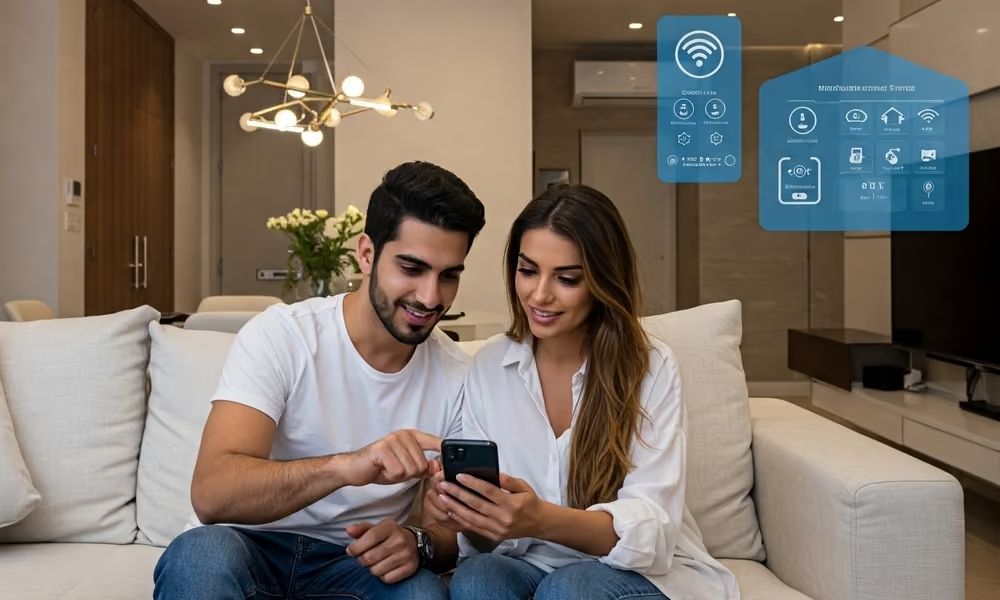
Smart homes in Dubai use connected systems to control lighting, climate, security and appliances from a phone, a voice assistant or preset routines.
App-controlled thermostats, smart locks and voice-controlled lighting are what people mean by smart apartments. This guide explains what the technology does and what to check before you buy.
For a buyer's checklist, see our guide to what buyers should look for in 2026.
What Is a Smart Apartment?
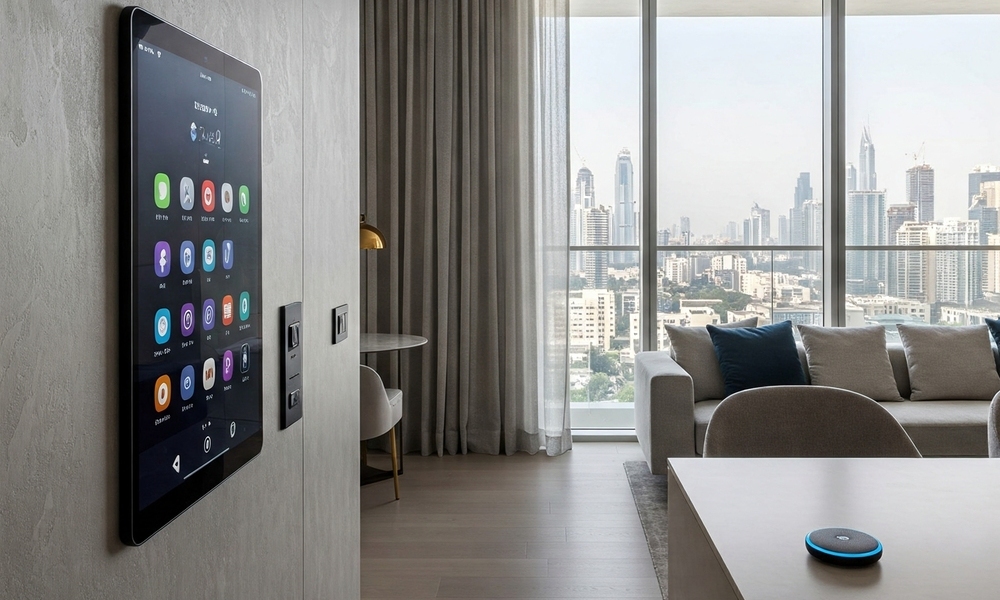
A smart apartment uses internet-connected devices to automate and control:
- Lighting
- Air conditioning and climate
- Security systems (door access, cameras)
- Window treatments and appliances
All of this can be managed via smartphone, voice assistants or preset routines.
Think of it as a personal assistant, built right into your home.
Key Features of Dubai's Smart Homes (2026)
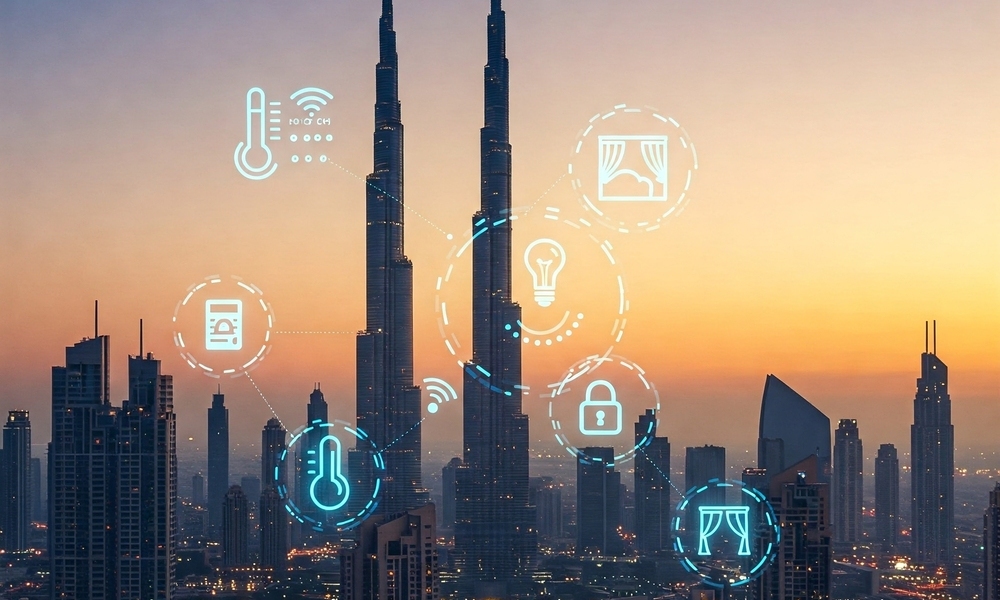
- Smart Thermostats: Auto-adjust temperature control based on weather, occupancy, or time of day
- Remote-Controlled Lighting & Blinds: Save energy and set moods
- Smart Locks & Intercoms: Enhance home security with secure, contactless visitor access
- Leak & Smoke Detectors: Real-time alerts to prevent damage
- Integrated Audio & Entertainment Systems
Technology in Smart Apartments
Smart apartments combine a few kinds of technology. Thermostats and lighting can adjust to schedules or occupancy, security systems can be managed from a phone, and voice assistants let you control devices hands-free. Some systems learn your routines and adjust settings automatically, so what you actually get depends on the products installed.
Smart Home Automation: How It Works
A smart home system connects and controls a range of devices through a central hub or app. With voice assistants, keypad or app-based access and motion sensors, you can control lighting, temperature and security from inside the home or while away.
Home automation simplifies daily routines: arrive home to set lighting, a comfortable room temperature and secure access. Energy monitoring lets you see how much electricity your home uses so you can make better decisions about it.
What Smart Systems Can Help With
1. Energy Efficiency
Smart systems can help reduce:
- Cooling costs
- Wasted lighting and power use
- Water leakage damage
How much they help depends on the system and how you use it.
2. Early Warning for Landlords
Landlords can benefit from smart units in one practical way:
- Earlier warning of problems thanks to leak alerts and remote monitoring
3. Security and Remote Access
Smart homes give owners in Dubai and abroad:
- Remote surveillance
- Instant security alerts
- Digital locks that remove key copying risks
What to Check Before You Buy
- Which systems are installed in the unit and which are optional extras
- Whether the devices work without an internet connection
- Which brands and standards the system supports, and whether you can add devices later
- What setup, training and after-sales support is included
- How your data and cameras are secured
FAQs
1. What is the future of smart homes in Dubai?
Smart homes combine features like voice-activated lighting, automated climate control and smart security. Check what a specific building includes before you rely on any of them.
2. What smart features should I look for in a Dubai apartment?
Key features include app-controlled lighting, automated blinds, smart thermostats, remote access locks, integrated AI assistants, and built-in sensors for energy efficiency. For ideas on how to furnish your Dubai apartment stylishly and affordably, check out this guide to furnishing a 1 to 2 BHK in Dubai under AED 50K.
3. Does investing in a smart home boost property value in Dubai?
It can make an apartment more appealing to buyers and tenants who value convenience and energy savings, but there is no reliable figure for how much value it adds.
4. Are smart apartments more energy-efficient?
They can be. Automated lighting and air conditioning can reduce waste, but savings depend on how the system is set up and used.
5. Can I retrofit an older apartment in Dubai to make it smart?
Yes. Many smart solutions, such as voice-controlled bulbs, smart thermostats and security devices, can be added to an existing apartment without major renovation.
6. How secure are smart apartments in Dubai?
Security depends on the products used and how they are set up. Use strong passwords, keep software updated, and ask what security the system uses.
7. Are smart home systems compatible across brands?
Compatibility varies by brand. Standards such as Zigbee, Z-Wave and Matter exist to help devices work together, so check which ones a system supports.
8. Do smart apartments in Dubai come with professional support?
It depends on the developer and the system. Ask what setup, training and after-sales support is included.
9. Is it worth paying extra for smart technology when buying property in Dubai?
It depends on the system and how much you will use it. Smart homes offer convenience and energy savings, so weigh those against the extra cost.
What exactly are smart homes and why are they becoming popular in Dubai?
Smart homes integrate IoT devices and automation systems controlling lighting, climate, security, and appliances remotely via smartphones. Buyers and tenants look at them for convenience, energy efficiency and modern living.
Do smart home features add to property value in Dubai?
They can. Smart features appeal to buyers and tenants who value convenience and energy efficiency, but there is no reliable figure for how much value they add, and a buyer will still judge the apartment on location, price and quality first. Treat smart features as a useful extra rather than a reason to pay a large premium.
Are smart home systems expensive to install and maintain?
Installation costs vary widely with the size of the home and the level of automation, from basic systems to whole-home automation. Energy savings may offset part of the cost, but how much depends on use. Check what a unit already includes before you budget for extras.
What smart home features are most valuable for rental properties?
Security systems, climate control, lighting automation and keyless entry are features landlords can consider for rental homes. Energy-efficient systems can reduce utility costs, which renters may value. These practical features may improve tenant satisfaction.
Can I retrofit a traditional apartment with smart home technology?
Yes, retrofitting is possible through wireless systems requiring minimal structural changes. Smart thermostats, connected lighting, and security upgrades can be installed relatively easily. New construction with built-in smart infrastructure may integrate more neatly. Retrofit costs vary by system and apartment, so get quotes before you commit.