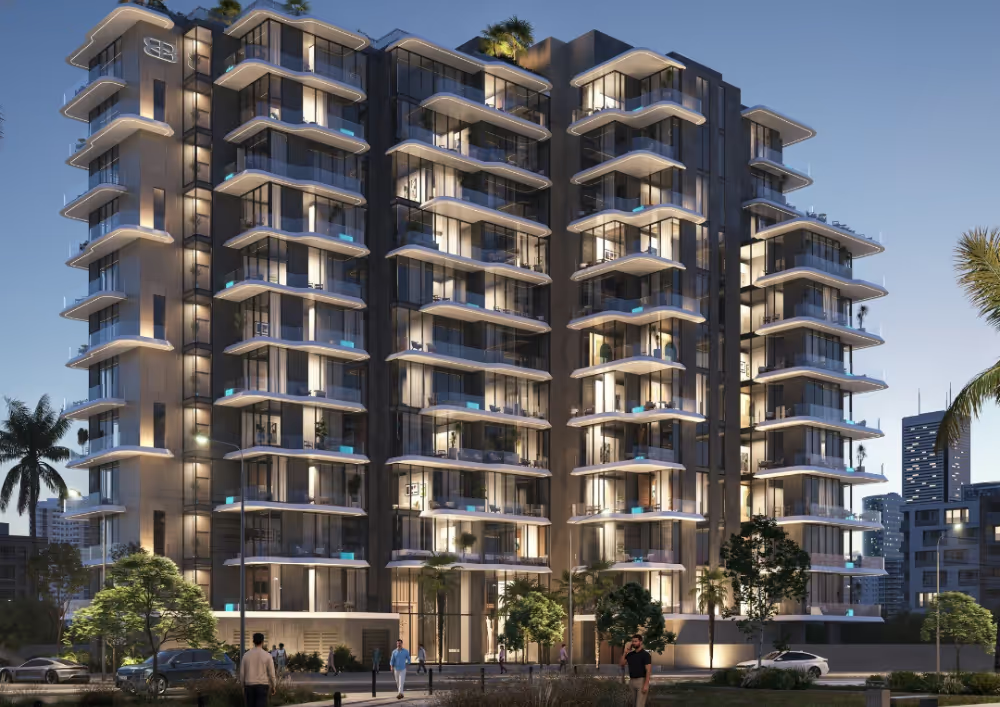
Dubai Property for Foreign Investors: Key Considerations in Real Estate

Dubai lets foreign investors own freehold property in designated zones, and property bought for AED 2 million or more can qualify for a Golden Visa.
Under Regulation No. 3 of 2006, Dubai allows non-UAE nationals to own freehold property in designated areas. This guide covers what foreign investors should check before buying: ownership rules, residency options, financing, taxes, fees and ongoing costs.
Introduction: Buying Dubai Property as a Foreign Investor
Foreign investors can buy in designated freehold areas. For a comparison with other cities, see our guide on how Dubai's real estate market compares to other global markets. Sales are registered with the Dubai Land Department, and the fees are set out in the tax section below.
What Foreign Buyers Can Own in Dubai
Non-UAE nationals may acquire freehold ownership without time restriction in the designated areas (Regulation No. 3 of 2006, Article 3). Property bought for AED 2 million or more can qualify for a Golden Visa under the Dubai Land Department investor service, as covered below.
Who Can Buy Property in Dubai
Foreign ownership is allowed in designated freehold areas, where foreign buyers can own property outright. Learn more about Pearlshire, see our projects, read our review of Pearlshire Developments, or follow market news and stories.
Before you buy, understand which freehold areas are open to foreign ownership and the steps involved. Our guide to the regulations for foreigners buying property in Dubai sets out the process for non-residents.
Seeking expert guidance is highly recommended to handle the legal and cultural nuances when buying property in Dubai.
Visa and Residency Options: A Property That Opens Doors
Buying property in real estate in Dubai can be your pathway to residency. Here are the key options for those purchasing investment property or residential properties, such as apartments and villas:
- 10-year Golden Visa (for property bought for AED 2 million or more, per the Dubai Land Department investor service; u.ae lists 5 years for real estate investments, so confirm the current term, as of October 2026)
Property bought for AED 2 million or more is the route to this visa. See our Golden Visa property guide for the conditions.
Choosing the Right Location
Compare areas on price per square foot, achievable rent, service charges and the freehold status of the specific plot, using recent Dubai Land Department transactions and current listings. Downtown Dubai, Palm Jumeirah, Dubai Hills Estate, Dubai Creek Harbour, Arjan, Dubai South and Jumeirah Village Circle are among the areas international buyers commonly consider.
Related reading: emerging real estate hotspots in Dubai, smart apartments in Dubai, what buyers should look for in smart apartments in 2026, interior design trends in Dubai and Dubai apartment prices.
Financing Options: Mortgages for Non-Residents
Contrary to popular belief, foreigners can secure mortgages in Dubai. Here's what to expect:
- Loan-to-value (LTV): set by the Central Bank. For an expatriate's first home under AED 5 million the limit is 80%, then 70% above AED 5 million, 60% for second homes and investment property, and 50% for off-plan (CBUAE rulebook, Article 3)
- Mortgage terms: up to 25 years
- Required documents: each bank lists its own, usually including your passport and proof of income
Currency exchange rates, especially the stability of the US dollar and its peg to the UAE Dirham, can influence mortgage payments and investment decisions for international buyers.
The Central Bank limits above cover both ready and off-plan property, with a lower limit for off-plan.
Tax Implications for Foreign Property Owners
Personal income tax: u.ae states that the UAE does not levy income tax on individuals (u.ae taxation page, as of October 2026).
Corporate tax and property income: Under Cabinet Decision No. 49 of 2023, real estate investment income of a natural person is not treated as a business subject to corporate tax, regardless of turnover. The decision defines this as investment activity relating to the sale, leasing, sub-leasing and renting of land or real estate in the UAE that is not conducted, or required to be conducted, through a licence. If your activity needs a licence, take advice.
Registration fees: the Dubai Land Department sale registration service lists 2% of the sale value for the buyer and 2% for the seller, plus a AED 250 title deed fee and service partner fees (as of October 2026).
Home-country tax: your home country may tax your worldwide income or gains from overseas property. Check those rules with a tax adviser before buying.
Property Management: Investing From Abroad
If you are not based in Dubai full-time, a property manager can handle tenant sourcing, rent collection and maintenance requests. Agree the fee and scope in writing, ask what the fee covers and how maintenance approvals are handled, and compare more than one provider before you sign.
Cultural Considerations: Respecting the Local Way of Life
Dubai is a cosmopolitan city, but respecting local customs builds trust, especially when working with developers or engaging in negotiations. Tips:
- Dress modestly during site visits
- Avoid aggressive haggling
- Be on time: punctuality is respected
Smart Investors Think Global, But Act Local
If you are buying a 2-bedroom apartment off-plan, a villa or a penthouse, compare off-plan properties and ready properties and read whether now is the right time to buy off-plan before you commit. Our studio investment guide looks at one unit type in detail. The final step involves completing legal formalities, transferring ownership, and registering the property title with the Dubai Land Department.
More guides on investing in Dubai property:
- UAE mortgage options for foreign buyers: Our guide to financing your purchase.
- Oqood vs Title Deed registration: Understand the difference between Oqood and title deed registration.
- DLRC guide: metro connectivity and property investment: Our guide to the Dubai Land Residence Complex (DLRC) area.
- living in Arjan as a foreign buyer: Our resident guide to the Arjan community.
FAQ's
What are the key legal considerations for foreign investors in Dubai real estate?
Non-UAE nationals can own freehold property only in the areas Dubai has designated. Regulation No. 3 of 2006 sets them by plot and does not make UAE residency a condition. Confirm the plot's status, check that the project is registered with the Dubai Land Department, and take legal advice on the sale agreement.
Which Dubai areas permit foreign property ownership?
Regulation No. 3 of 2006 lists the areas by plot, including plots in Dubai Marina and Palm Jumeirah. The areas are specified by the Ruler of Dubai and can change, so ask the Dubai Land Department or your agent to confirm the specific plot before you pay a deposit.
What financing options exist for foreign investors in Dubai?
Banks lend within Central Bank limits. For an expatriate buying a first home under AED 5 million the limit is 80% of the value, 70% above AED 5 million, 60% for second homes and investment property, and 50% for off-plan. The maximum term is 25 years. Each bank sets its own terms for non-residents. See our UAE mortgage guide.
How do foreign investors manage currency risk?
The dirham has been officially pegged at 3.6725 to the US dollar since 1997, according to The National. For investors holding US dollars, the dirham price of a property therefore converts at a fixed official rate. Investors holding other currencies are exposed to those currencies moving against the dollar, so check the rate when you transfer funds.
What ongoing costs should foreign investors budget for?
Budget for annual service charges, which you can look up by project in the DLD Service Charge Index, DEWA connection costs, and property management fees if you rent the unit out. If you finance, the DLD mortgage registration fee is 0.25% of the mortgage value, and the bank charges its own fees.
Can U.S. citizens invest in Dubai property?
Yes. U.S. citizens are non-UAE nationals, so they can buy freehold property in the designated areas under Regulation No. 3 of 2006. The regulation does not make UAE residency a condition. Assess the property's economics first, and separately check any U.S. tax or reporting obligations with an adviser before you commit.
What should a foreign investor check before buying Dubai property?
Check the plot's ownership eligibility, the developer and whether the project is registered with the Dubai Land Department, recent transaction prices, achievable rent, service charges, financing, payment obligations, fees and exit options. Home-country tax and reporting rules may also apply. Our guide to comparing developers covers the developer checks.
What are the potential advantages of owning property in Dubai?
Foreign nationals can own freehold property in designated areas, the UAE does not levy income tax on individuals (according to u.ae), and a property bought for AED 2 million or more may qualify the owner for a Golden Visa under the DLD investor service. Weigh these against transaction fees, service charges, maintenance, financing and market risk.
How do escrow accounts protect foreign investors?
The Dubai Land Department's project registration service lets developers register a project and open an escrow account for off-plan sales. Check that the project is registered, and ask for the escrow account details in the sale agreement before you pay.
Should I hire a property management company?
If you do not live in Dubai, a property manager can handle tenant sourcing, rent collection and maintenance requests. Agree the fee and scope in writing, ask what the fee covers and how maintenance approvals are handled, and compare more than one provider before you sign.