From Intent to Keys: What Dubai Buyers Should Know About Booking, Oqood & Handover

Table of contents
- The Off-Plan Process in Seven Stages
- What Is Oqood Registration in Dubai?
- What Is in the Sales and Purchase Agreement?
- The Handover Checklist
- What If the Developer Delays Handover?
- What to Budget Around Handover
- Conclusion
Handover in Dubai runs in a set order. The developer confirms the unit is complete, you inspect it and send a snag list, you pay the final instalment and clear any dues, you sign the handover documents and collect the keys, then you connect utilities and the unit is registered in your name at the Dubai Land Department (DLD). Your SPA sets the dates and the documents, so treat the checklist below as a guide and your own contract as the rule.
From booking to keys, the off-plan process involves a booking form, a Sale and Purchase Agreement (SPA), Oqood registration, payments during construction and, finally, handover. This guide covers the whole process in outline and spends most of its time on the last step. Legal references below are to the texts on the Dubai Legislation Portal, as of October 2026.
The Off-Plan Process in Seven Stages
- Booking form signed and the booking deposit paid, as set out in the form
- Sale and Purchase Agreement (SPA) issued and signed
- Oqood registration completed
- Construction and progress payments, as your payment plan sets out
- Notice of completion, final inspection and snagging
- Final payment and clearance of dues
- Keys, utilities and registration in your name
The deposit, the instalment dates and the completion date are all in your own documents. Our payment plans guide explains how common plan structures work.
What Is Oqood Registration in Dubai?
Oqood is the DLD's system for registering off-plan sales. Under Article 3 of Law No. 13 of 2008, a disposition of a unit sold off-plan is entered in the Interim Property Register, and a sale that is not entered is void. Registered units can be sold or mortgaged (Article 6). The title deed comes later, when the unit is registered in your name after completion. Our Oqood guide has the detail.
What Is in the Sales and Purchase Agreement?
The SPA is a legally binding contract between you and the developer. Look for:
- The payment plan and schedule
- The completion date and any grace period
- What counts as completion and how handover is arranged
- Remedies for delay and refund or cancellation terms
- Unit specifications, size and the floor plan
- How defects are reported after handover
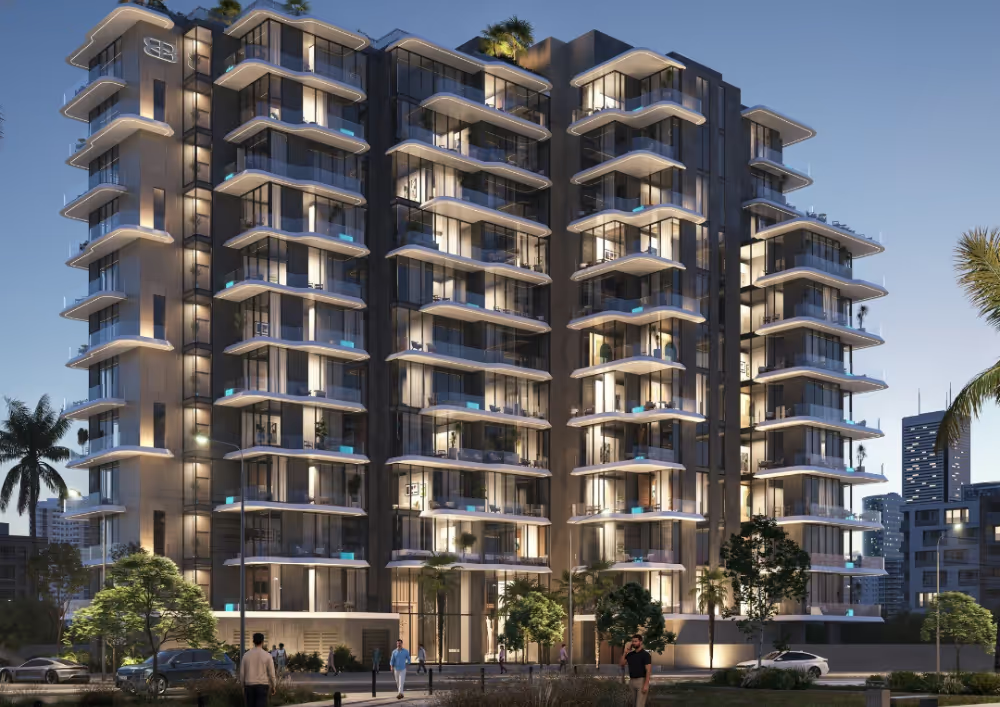
Review the SPA with a legal adviser before signing. Pearlshire's Bond Enclave in Arjan, for example, has a 30/70 plan, with 70% due on handover, so the handover payment is a large one. Plan for it early.
The Handover Checklist
Use the table as a quick reference, then read the notes under it.
| Step | What to do | Where the rule comes from |
|---|---|---|
| 1. Notice of completion | Read the developer's notice, note the date, and ask for a copy of the completion certificate | Your SPA; Article 8 of Law No. 13 of 2008 |
| 2. Final inspection | Inspect the unit against the floor plan and specification, and send a written snag list | Your SPA; our snagging guide |
| 3. Final payment | Pay the last instalment as scheduled, only to the account named in the SPA or confirmed in writing | Your SPA |
| 4. Developer clearance | Ask what clearance or no-dues letter the developer issues, and keep it | Your SPA; developer policy |
| 5. Documents | Prepare the documents the handover notice asks for | The handover notice |
| 6. Keys and access | Sign the handover form, collect keys and access cards, and photograph the meters | Your SPA; building management |
| 7. Utilities | Apply for DEWA Move-In and activate district cooling if your building uses it | DEWA; district cooling provider |
| 8. Registration in your name | Confirm with the developer how and when the unit is registered at the DLD | Law No. 13 of 2008, Article 8; Resolution No. 6 of 2010, Article 7 |
| 9. Defects after handover | Report them in writing and track the one-year and ten-year periods | Law No. 6 of 2019, Article 40 |
1. Notice of completion and the completion certificate
The developer will tell you the unit is complete and invite you to take handover. Check the date in the notice, how long you have to take possession, and what happens to charges if you wait. Under Article 8 of Law No. 13 of 2008, developers must enter completed projects in the property register once they receive the completion certificate from the competent entities. Ask for the date of that certificate too, because it matters if you delay possession: under Article 40(b) of Law No. 6 of 2019, the one-year liability period for defective installations then runs from the certificate instead of from handover.
2. Final inspection and snag list

Inspect before you sign the acceptance form. Work through every room, test every fitting and write a list of defects with photos. Our snagging guide gives a full room-by-room checklist, a step order, and a summary of what Dubai's law says about defect liability. Send the list to the developer in writing and ask for dates for each repair.
3. Final payment
Pay the final instalment on the date in your SPA, and pay only to the account named in the SPA or confirmed to you in writing by the developer. If payment details change at the last minute, check them by calling a number you already hold, not one given in the message. Keep the receipt. If you are financing the final payment with a mortgage, your bank will need its own documents and time, so start early. The Central Bank rules and the bank's valuation both affect how much you can borrow, which our UAE mortgage guide and property valuation guide explain. If an instalment cannot be paid on time, see what happens legally after a missed off-plan payment.
4. Developer clearance
Ask the developer which clearance document it issues at handover, such as a letter confirming that no dues are outstanding on the unit. Developer practice varies, so the SPA and the handover notice are your guide. Under Article 7 of the 2010 bylaw, once the completion certificate is issued the developer may not refuse to hand over or register the unit if you have met your contractual obligations on that sale, even if you owe it other money. A clearance or no-objection certificate is also what a later buyer will ask you for if you resell, which our NOC guide covers.
5. Documents to have ready
The handover notice will list exactly what the developer needs. Buyers commonly need to have these ready:
- Passport and, if you are a resident, Emirates ID
- Your SPA and the Oqood registration
- Proof of the final payment
- The signed handover form, once you are satisfied with the unit
- Any service charge payment or deposit the developer or building management asks for
6. Keys, access cards and the handover form
Read the handover form before you sign it. If you listed defects, check that the form records them, or that your snag list is attached and referred to. Collect keys, access cards and any manuals or warranties for appliances. Photograph the water, electricity and cooling meters with the reading visible, and keep the photos with your snag list.
7. Utilities: DEWA Move-In
Owners apply for Move-In on the DEWA website or app. As of October 2026, DEWA lists a refundable deposit of AED 2,000 for an apartment and AED 4,000 for a villa, plus AED 155 in activation charges, and says it connects electricity and water within 15 working hours of payment. Owners need the title deed or the SPA and the unit's 9-digit DEWA premises number. Confirm the figures on dewa.gov.ae before you pay. Our DEWA connection guide has the full steps. If your building uses district cooling, contact that provider separately.
8. Registration in your name
Under Article 8 of Law No. 13 of 2008, the developer must enter sold units in the names of purchasers who have fulfilled their contractual obligations, and the DLD may do so itself on your request or on its own initiative. Article 7 of the bylaw adds that the developer must register the unit and facilities allocated to it, such as car parks, in your name, and that the DLD may register the unit if the developer refuses. Ask the developer what it needs from you, which fees apply and when you will receive the title deed. Our DLD fees guide lists the current schedule.
9. Defects after handover
Under Article 40 of Law No. 6 of 2019, a developer remains liable for ten years from the completion certificate for defects in the structural parts of the property, and for one year from handover of the unit for defective installations such as mechanical, electrical and sanitary works. Report defects in writing as soon as you find them, and keep proof. The snagging guide explains how to report them and where to escalate.
What If the Developer Delays Handover?
A late handover is mainly a contract question: the completion date, any grace period and any compensation come from your SPA, and compensation is not automatic. Dubai's laws control registration, escrow, project cancellation and refunds, and the DLD publishes project progress in its open data. If your handover is late, check the project record in the DLD's open real estate data, write to the developer citing the SPA clause, and then use the DLD's Real Estate Complaints service if you get no answer. Do not stop paying instalments without legal advice. Our off-plan risks guide has a full section on delayed handover, including the difference between a delay and a project cancellation.
What to Budget Around Handover
Amounts change, so confirm each one before you pay. The table lists what to check and where to find it.
| Item | Amount or what to check | Where to confirm |
|---|---|---|
| Final instalment | The amount and date in your payment plan | Your SPA |
| DLD fees | The DLD registration fee is 4% of the sale value in your contract, which DLD lists as 2% for the seller and 2% for the buyer; the contract sets who bears each share. Our DLD fees guide lists AED 520 for a title deed on an apartment or office, and DLD's FAQ lists AED 540 for first registration, so check the itemised charges at payment. For a financed purchase, the mortgage registration fee is 0.25% of the loan amount plus the DLD fees listed on the mortgage registration page (AED 250 + 10 + 10 as of October 2026, plus separate service partner fees) | DLD fees guide; DLD mortgage registration page |
| DEWA | Refundable deposit of AED 2,000 (apartment) or AED 4,000 (villa), plus AED 155 in activation charges, as of October 2026 | DEWA website or app |
| Service charges | Ask for the first year's budget and the date of the first invoice. Compare it with the service charge index for your area | Building management; service charges guide |
| Access cards and parking | Ask whether there is a charge | Building management |
For the other bills that start when you take the keys, see our first-year ownership costs guide.
Conclusion
A Dubai property purchase does not end at booking, and it does not end at the keys either. Know your SPA, inspect before you accept, keep every document and report defects in writing. Explore Bond Enclave.
What is the process of buying an off-plan property in Dubai?
You sign a booking form and pay the deposit, then sign the SPA and have the sale registered through Oqood. You make instalments as the payment plan sets out, inspect the unit when the developer gives notice of completion, pay the final instalment, collect the keys and register the unit in your name at the DLD. Your SPA sets the dates.
What is Oqood registration, and why does it matter?
Oqood is the DLD's registration of an off-plan sale in the Interim Property Register. Under Law No. 13 of 2008, a disposition of an off-plan unit must be entered there or it is void, and registered units can be sold or mortgaged. It is not the title deed, which comes after completion when the unit is registered in your name.
How long does it take from booking to handover?
The date is in your SPA and differs by project, so there is no standard period. The DLD's open project data shows each registered project's status, completed percentage and completion date, and you can compare it with what the developer tells you. Build in a margin for delay rather than planning around the earliest date.
What documents do I need for handover?
The developer's handover notice lists them, so follow it. Buyers commonly need passport and Emirates ID copies if resident, the SPA and Oqood registration, proof of the final payment and the signed handover form. Ask for the list as soon as you receive the notice so that you have time to gather everything.
What happens if a Dubai developer delays handover?
Your SPA decides the completion date, any grace period and any compensation, and compensation is not automatic. Check progress in the DLD's open project data, write to the developer citing the clause, and use the DLD complaint service if you get no answer. Do not stop paying without legal advice, because a missed instalment can trigger a DLD notice.
Can I resell my off-plan property before handover?
It depends on your SPA and the developer's no-objection process, so check both before you plan a resale. The DLD registers a resale, and fees and clearance conditions apply. Our guides on selling and on the NOC explain what to expect, and the SPA is the final word on what the developer allows.
What is the difference between a title deed and Oqood?
Oqood registers your off-plan purchase in the DLD's Interim Property Register while the project is built. The title deed is issued once the completed unit is registered in your name at the DLD, provided you have met your contractual obligations. Oqood records your claim to the unit, and the title deed records your ownership.
Who is responsible for defects after handover?
Under Article 40 of Dubai Law No. 6 of 2019, a developer is liable for ten years from the completion certificate for defects in structural parts, and for one year from handover for defective installations such as mechanical, electrical and sanitary works. Report defects in writing, and see our snagging guide for the steps.
Can expats get a mortgage for a Dubai property?
Yes, expats can apply for a mortgage, but lenders' limits depend on residency, property type and completion status, and banks set their own conditions. Our UAE mortgage guide explains the rules, and you should ask for a written offer before you commit.