Seasonal Living in Dubai: How to Adapt Your Home for Summer vs. Winter Comfort
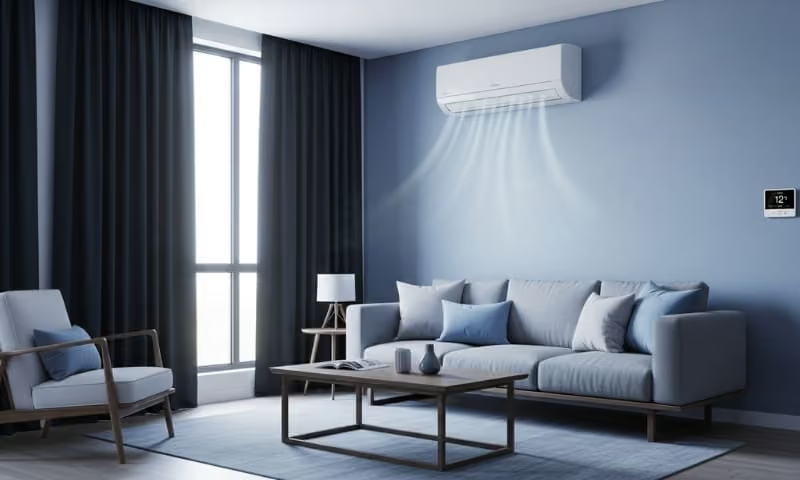
Dubai seasonal home adaptation requires summer strategies (blackout curtains blocking 85% heat, AC at 22-24°C, humidity control 45-55%) and winter optimization (natural ventilation 6-8 hours daily, 40-60% AC reduction saving AED 500-800/month). Smart home automation in developments like Bond Enclave reduces energy costs 30-45% year-round.
Dubai experiences extreme seasonal variations—scorching summers (40-50°C, May-September) and mild winters (15-25°C, December-February). Seasonal adaptation requires: (1) Summer: AC maintenance, blackout curtains blocking 85% heat gain, humidity control (45-55% optimal), balcony shade solutions; (2) Winter: Reduced AC usage saving 40-60% electricity, natural ventilation strategies, outdoor space activation, layered textiles for warmth. Smart home automation in developments like Bond Enclave enables season-specific climate programming, reducing energy costs 30-45% while maintaining optimal comfort year-round.
Dubai doesn't do seasons—it does extremes. Summers feel like living inside an oven. Winters deliver Mediterranean perfection for exactly eight weeks before the heat returns.
Yet most residents treat their apartments identically year-round, paying AED 1,200-2,000 monthly in unnecessary AC costs and missing the glorious winter months entirely. Here's how to actually live seasonally in Dubai—and why climate-responsive design matters when choosing your next property.
What Temperature Range Should Dubai Apartments Maintain Year-Round?
The Optimal Comfort Formula
Dubai's climate demands different indoor strategies across seasons, but comfort science remains constant.
Summer Optimization (May-September):
- Outdoor temps: 40-50°C daily peaks
- Indoor target: 22-24°C (energy-efficient sweet spot)
- Humidity control: 45-55% (prevents mold, maintains comfort)
- AC runtime: 18-22 hours daily (unavoidable reality)
Winter Adjustment (December-February):
- Outdoor temps: 15-25°C (perfect natural climate)
- Indoor target: 20-22°C with minimal AC
- Natural ventilation: 6-8 hours daily (significant savings)
- AC runtime: 2-6 hours daily (40-60% cost reduction)
The Energy Cost Reality: Residents keeping AC at 20°C year-round spend AED 18,000-24,000 annually. Those adapting seasonally spend AED 12,000-16,000—saving AED 6,000-8,000 without sacrificing comfort.
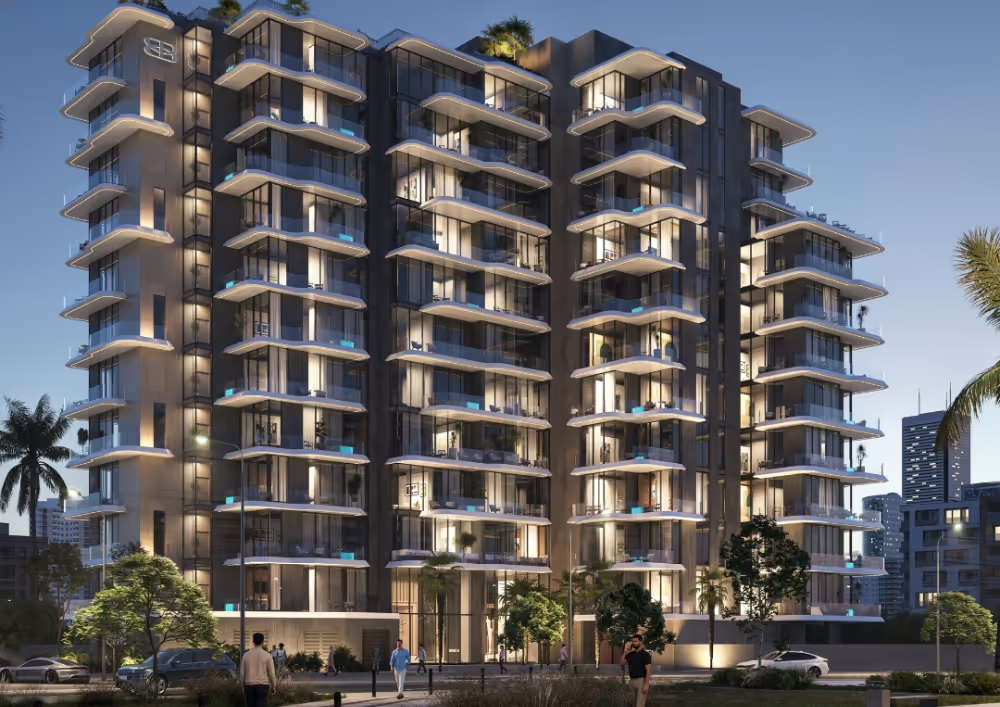
Smart Home Advantage: Bond Living DLRC and Bond Enclave Arjan integrate climate automation allowing seasonal programming—summer "away mode" maintains 26°C when vacant, winter "natural ventilation mode" maximizes outdoor air circulation, reducing electricity costs 30-45% versus manual control apartments.
| Factor | Summer (May-Sep) | Winter (Dec-Feb) |
|---|---|---|
| Outdoor Temperature | 40-50°C | 15-25°C |
| Optimal Indoor Temp | 22-24°C | 20-22°C (minimal AC) |
| AC Runtime | 18-22 hours/day | 2-6 hours/day |
| Monthly DEWA Cost | AED 1,500-2,000 | AED 600-900 |
| Natural Ventilation | Not recommended | 6-8 hours/day |
| Humidity Control | 45-55% (dehumidify) | Monitor only |
| Balcony Use | Limited (extreme heat) | Primary living space |
| Annual Savings Potential | 20-30% with optimization | 40-60% with ventilation |
How Can I Keep My Dubai Apartment Cool in Summer Without High Bills?
Heat Management Strategies Beyond AC
Summer survival requires layered defense against Dubai's brutal solar gain.
1. Window Treatment Science:
- Blackout curtains: Block 85-90% heat gain versus regular drapes (40-50%)
- Reflective films: Reduce glass heat transmission 60-70%
- Thermal blinds: Create air gap insulation lowering indoor temps 3-4°C
- ROI: AED 2,000-3,000 investment saves AED 400-600 annually
2. Balcony Shade Solutions: Floor-to-ceiling glass in modern Dubai apartments (common in Bond Enclave) creates greenhouse effects. Solutions:
- Retractable awnings shading glass
- Outdoor bamboo blinds (aesthetically acceptable in most developments)
- Strategic plant placement creating natural barriers
3. Appliance Heat Management:
- Dishwashers, ovens, dryers generate significant heat
- Verify electrical safety tips for Dubai homes when running multiple high-power AC and appliances simultaneously
- Run during off-peak cool hours (midnight-6am)
- Consider balcony installation for washing machines (common Dubai practice)
4. Ceiling Fan Optimization: Circulating cool AC air reduces perceived temperature 2-3°C, allowing thermostat increase from 22°C to 24°C (12-15% energy savings).
Bond Enclave Feature: Spa-inspired bathrooms with modern vanities include ventilation design preventing humidity buildup that forces AC to work harder—a hospitality-inspired detail most developers overlook.
Should I Turn Off AC in Dubai Winter?
The Winter Ventilation Strategy
Dubai's winter (December-February) is criminally underutilized by residents who keep windows sealed year-round.
When to Embrace Natural Climate:
- Early mornings (6am-9am): 15-20°C, perfect for air circulation
- Evenings (6pm-11pm): 18-22°C, ideal for outdoor balcony living
- Overnight: Open bedroom windows for natural cooling (15-18°C)
The Ventilation Protocol:
Morning Routine (6am-9am):
- Open all windows creating cross-ventilation
- Turn off AC completely
- Ceiling fans on low speed distributing fresh air
- Close windows by 10am before temperatures rise
Evening Activation (5pm-11pm):
- Reopen windows as outdoor temps drop
- AC "standby mode" only
- Balconies become primary living spaces
- Outdoor dining, reading, socializing
Monthly Savings: Residents implementing winter ventilation strategies report 40-60% electricity cost reduction (AED 500-800 monthly savings during peak winter months).
Dubai Property Feature Check: When evaluating Arjan apartments or DLRC developments, verify balcony door quality (seamless glass sliding doors in Bond properties), window screen availability (keeps insects out during ventilation), and cross-breeze potential (corner units optimal).
How Do I Make My Dubai Apartment Cozy in Winter?
The Warmth Paradox
Dubai winters occasionally dip to 12-15°C at night—uncomfortable in tile-floored, marble-heavy apartments designed for heat dissipation.
Quick Warmth Additions:
Textiles (Reversible for Seasons):
- Heavy throw blankets for sofas (stored May-November)
- Area rugs warming cold tile/marble floors
- Layered curtains adding insulation + visual warmth
- Cushion covers in warmer tones/textures
Lighting Adjustments:
- Warm-toned LED bulbs (2700K-3000K) versus cool white (5000K+)
- Ambient lighting creating cozier atmosphere
- Smart bulbs allowing seasonal color temperature programming
Outdoor Space Transformation: Winter is Dubai's "outdoor living season." Properties with thoughtful balcony design (Bond Enclave's wraparound terraces, Bond Living's rooftop wellness decks) become primary living spaces November-March.
Balcony Winter Setup:
- Outdoor heaters for chilly evenings (AED 300-600 investment)
- Comfortable seating + blankets
- String lighting creating ambiance
- Converts unused summer "oven space" into best rooms in apartment
What Climate Features Should I Look for in Dubai Apartments?
The Climate-Responsive Checklist
When buying or renting in Dubai—whether Arjan, DLRC, JVC, or premium areas—climate adaptability directly impacts livability and costs.
Essential Features:
1. Smart Climate Control:
- Programmable thermostats (season-specific settings)
- Zone-based AC (bedroom cooler, living room moderate)
- Energy monitoring (identify waste patterns)
- Access to wellness amenities in Dubai homes that enhance seasonal adaptation through healthy climate features
2. Quality Insulation Indicators:
- Double-glazed windows (rare but valuable in Dubai)
- Proper door seals (no light gaps when closed)
- Ceiling height (2.7m+ reduces heat accumulation)
3. Balcony Design:
- Shade overhangs protecting glass
- Adequate size for furniture (minimum 2m depth)
- Privacy screens (neighbors' AC exhaust impacts)
4. Natural Ventilation Potential:
- Operable windows on multiple exposures
- Cross-breeze layout (corner units ideal)
- Balcony door quality (seamless operation)
Pearlshire Advantage: Experience-driven design means Bond Enclave and Bond Living integrate hospitality-grade climate features—European flooring stays cooler than cheap alternatives, spa-inspired bathrooms prevent humidity issues, and smart-home readiness enables optimal seasonal adaptation from day one.
The Seasonal Living Investment Case
Climate-responsive living isn't just comfort—it's economics. Residents adapting seasonally save AED 6,000-8,000 annually on utilities while dramatically improving quality of life.
For Buyers: Prioritize apartments with smart home integration, quality balcony spaces, and proper insulation. The AED 50K-100K premium for climate-conscious design pays back within 5-7 years through energy savings alone.
For Renters: Negotiate summer move-ins (May-August) when landlords are desperate—use savings for blackout curtains and fans improving seasonal comfort.
The Dubai Reality: Eight months of brutal heat, four months of perfection. Properties designed for both—like Bond Enclave's resort-style amenities and Bond Living's wellness rooftops—maximize year-round livability, not just summer survival.
Ready for year-round comfort in Dubai's extreme climate? Explore Bond Enclave in Arjan and Bond Living in DLRC—where hospitality-inspired design meets climate intelligence for optimal seasonal living.
FAQ's
Q1: How hot does Dubai get in summer and how should I prepare my apartment?
Dubai summer temperatures reach 40-50°C (May-September) with humidity exceeding 90%. Apartment preparation requires: blackout curtains blocking 85-90% solar heat gain, AC maintenance ensuring optimal performance, humidity control maintaining 45-55% levels preventing mold, balcony shading solutions reducing glass greenhouse effects, and smart thermostats programmed to energy-efficient 22-24°C (not wasteful 20°C). Properties like Bond Enclave Arjan and Bond Living DLRC integrate climate automation reducing summer electricity costs 30-45% versus manual control apartments through optimized cooling cycles.
Q2: Should I keep my AC on all year in Dubai or turn it off in winter?
Dubai winter (December-February) with 15-25°C temperatures allows 40-60% AC reduction, saving AED 500-800 monthly. Optimal strategy: turn off AC during cool mornings (6am-9am) and evenings (6pm-11pm) when outdoor temperatures reach comfortable 15-22°C, utilize natural cross-ventilation through open windows, run AC only during midday heat (25°C+), and program smart thermostats for seasonal adjustments. Winter months are ideal for outdoor balcony living—properties with quality balcony design (Bond developments' wraparound terraces) maximize this free climate advantage.
Q3: What are the best ways to cool a Dubai apartment without high electricity bills?
Cost-effective cooling strategies include: installing blackout curtains blocking 85% heat gain (AED 2,000 investment, AED 400-600 annual savings), applying reflective window films reducing glass heat transmission 60-70%, using ceiling fans creating 2-3°C perceived cooling allowing higher thermostat settings (12-15% savings), running heat-generating appliances during cool hours (midnight-6am), maintaining AC at efficient 22-24°C not 20°C, and choosing apartments with smart home integration. Bond Enclave's spa-inspired bathrooms include proper ventilation preventing humidity buildup that forces AC overwork—hospitality design details impacting costs.
Q4: How can I make my Dubai apartment feel cozy during winter?
Dubai winter (occasionally 12-15°C nights) requires warmth additions: heavy throw blankets and area rugs warming tile/marble floors, layered curtains adding insulation, warm-toned LED bulbs (2700K-3000K) versus cool white, outdoor heaters for balcony spaces (AED 300-600), and textile switches to warmer textures/colors. Transform balconies into primary winter living spaces with comfortable seating, string lighting, and blankets—converting unused summer "oven space" into best rooms. Properties with thoughtful balcony design (Bond Living's rooftop wellness decks) maximize Dubai's perfect winter outdoor living potential.
Q5: What climate control features should I look for when buying Dubai property?
Essential climate features include: smart thermostats with seasonal programming capability, zone-based AC (bedroom/living room independent control), double-glazed windows (rare but valuable for insulation), proper door seals preventing air leaks, ceiling heights 2.7m+ reducing heat accumulation, quality balcony design with shade overhangs, operable windows on multiple exposures enabling cross-ventilation, and energy monitoring systems. Developments like Bond Enclave Arjan and Bond Living DLRC integrate hospitality-grade climate intelligence—European flooring, spa-grade ventilation, smart-home readiness—enabling optimal seasonal adaptation and AED 6,000-8,000 annual utility savings.
What winter modifications does a Dubai home need?
Winter in Dubai is mild, but you'll want to ensure adequate heating for cooler evenings, especially in well-ventilated homes. Install weather stripping on doors, use thermal curtains, and consider a reliable water heater. Humidity control becomes important during occasional rainy periods. Most modifications focus on comfort rather than necessity, as temperatures rarely drop below 15°C.
How should I adjust humidity levels seasonally?
Summer humidity can reach 90%, making dehumidifiers essential for preventing mold and mildew. Install quality ventilation systems and run AC units regularly, as they naturally dehumidify. In winter, use humidifiers if indoor air becomes too dry from air conditioning. Proper ventilation and maintaining 40-60% humidity levels protects furniture, electronics, and health year-round.
What's the best time of year to undertake home renovations in Dubai?
November through March offers ideal conditions for renovations, with pleasant weather preventing material damage and reducing worker heat stress. Avoid summer months when extreme heat affects paint drying, concrete curing, and worker productivity. Spring and autumn are also suitable but may experience occasional humidity spikes that slow drying times for finishes.