Boutique vs. Mega Projects Dubai: Where Smart Investors Put Money in 2025
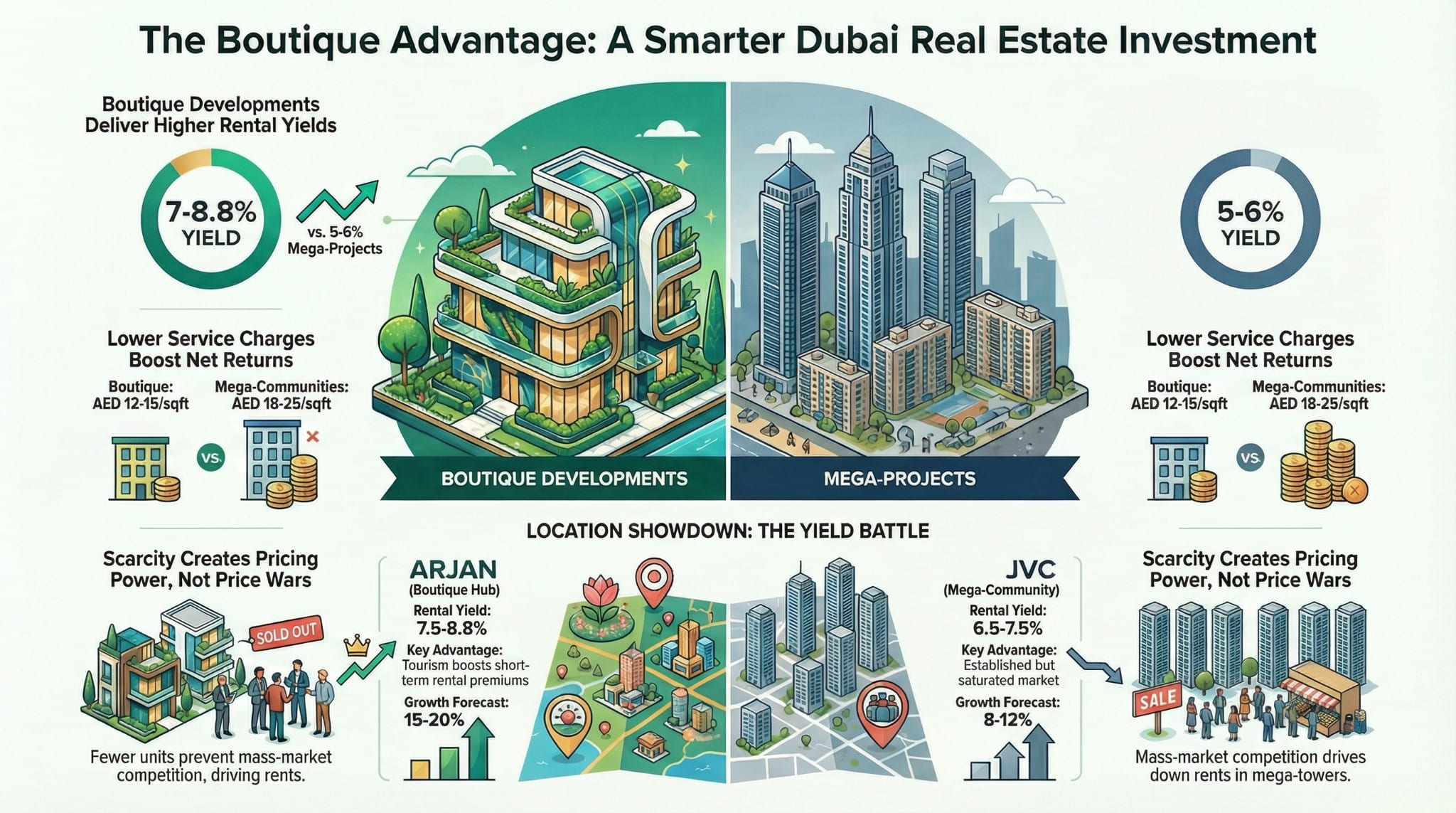
Boutique developments (under 200 units) are outperforming mega projects in Dubai's 2026 market, delivering 7-8.8% rental yields versus 5-6% in large-scale communities. Key advantages include lower internal competition (fewer landlords competing for tenants), efficient service charges (AED 12-15 vs AED 18-25 per sqft), unique amenity offerings driving 15-25% rental premiums, and scarcity value supporting stronger capital appreciation. Areas like Arjan and DLRC with boutique projects show 15-20% projected growth versus 8-12% in established mega-communities.
Dubai's real estate story is splitting. While mega-projects dominate headlines with thousands of units and artificial lagoons, sophisticated investors are quietly pivoting toward a different asset class entirely: boutique developments.
This isn't sentiment—it's mathematics. When 500 identical units hit the rental market simultaneously, landlords compete on price. When 94 carefully designed units launch with resort-grade amenities, landlords dictate terms. Here's the new calculus of scale versus scarcity.
Boutique developments (under 200 units) outperform mega projects in Dubai, delivering 7-8.8% rental yields versus 5-6% for large communities. Lower tenant competition, efficient service charges, and scarcity value drive 15-25% rental premiums and stronger capital appreciation in areas like Arjan and DLRC.
What's the Difference Between Boutique and Mega Projects in Dubai?
Defining the Investment Categories
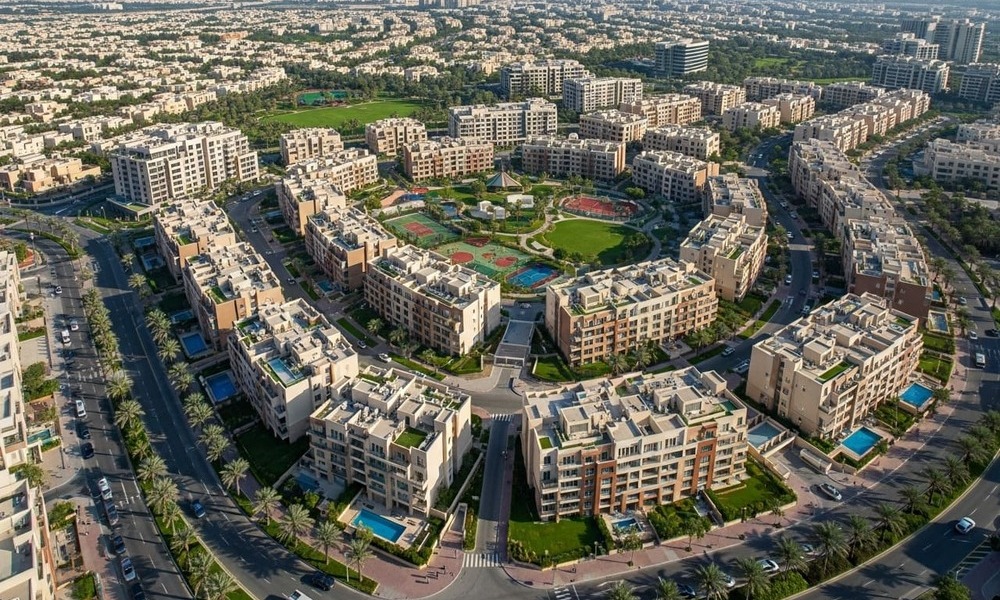
Mega Projects: Master-planned communities with 2,000-10,000+ units (Dubai Hills Estate, Jumeirah Village Circle, Dubai South). Economies of scale drive development, creating standardized apartments across massive footprints.
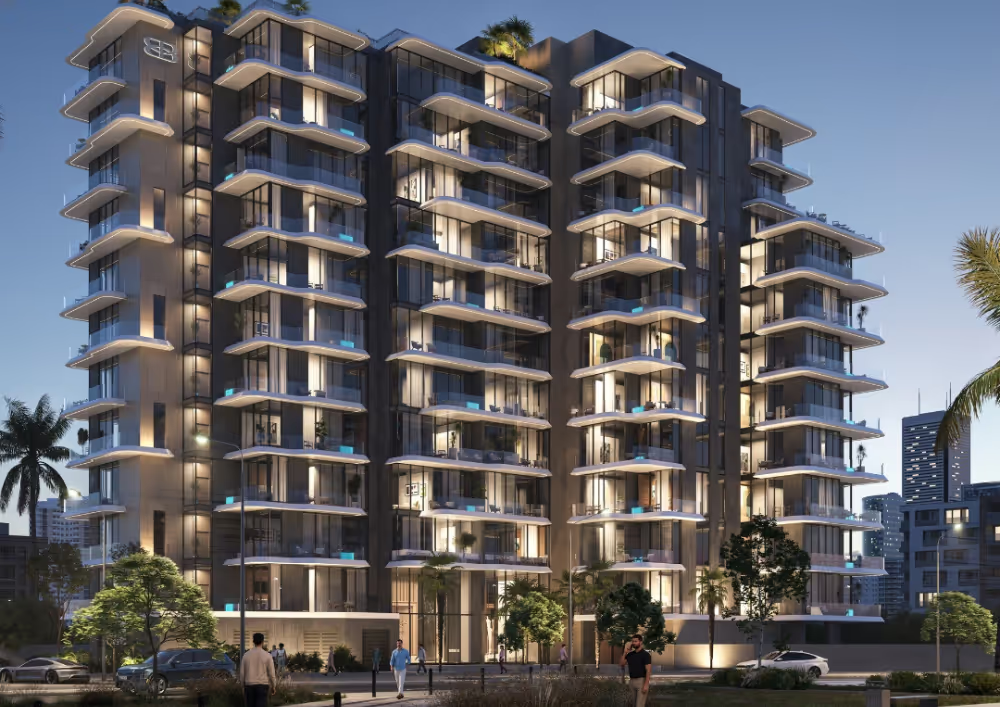
Boutique Developments: Standalone projects with 50-200 units featuring unique architecture, curated amenities, and intentional scarcity (Bond Enclave with 158 units, Bond Living with 94 units). Focus on experience over volume.
The Core Economic Difference:
- Mega Projects: You compete with 499+ identical landlords for the same tenant pool
- Boutique Developments: Limited supply creates pricing power, not price wars
2026 Market Reality: JVC (mega-community) rental yields average 6.5-7.5%. Arjan boutique developments deliver 7.5-8.8%. That 1-1.3% difference compounds significantly over a 5-year hold.
Why Are Boutique Developments Outperforming Mega Projects?
The Cookie-Cutter Dilemma
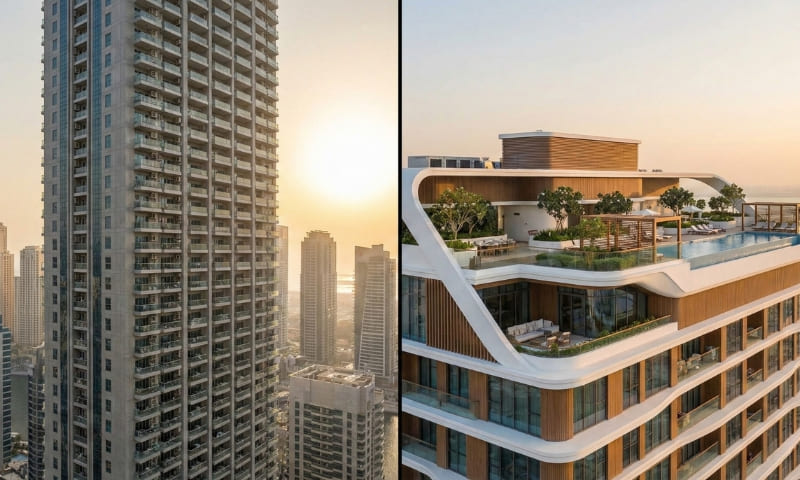
When a mega-tower hands over 500 units simultaneously, supply floods the market. Landlords desperate for tenants slash asking rents by 10-15% just to secure occupancy.
Boutique Advantage: Bond Enclave's phased handover (158 units total) means 20-30 units enter the market per quarter, not 500 in one month. Scarcity maintains rental premiums.
Real Data: Properties in boutique buildings (under 200 units) show 18-22% faster lease-up times and 12-15% higher average rents than comparable units in mega-towers within the same area.
Service Charge Efficiency = Higher Net Returns
Mega-projects require massive operational budgets—artificial beaches need maintenance, expansive lobbies need cooling, kilometers of corridors need lighting.
The Cost Reality:
- Mega-community service charges: AED 18-25 per sqft annually
- Boutique development charges: AED 12-16 per sqft annually
Impact on ROI: A 1-bedroom at 700 sqft saves AED 4,200-6,300 annually in boutique buildings. That's 0.5-0.7% added to net rental yield—the difference between mediocre and market-leading returns.
Bond Living Example: Rooftop wellness amenities (infinity pool, yoga deck, BBQ areas) deliver five-star experiences without ground-floor lagoon maintenance costs, optimizing yield without sacrificing lifestyle appeal.
Which Dubai Areas Offer Best Boutique Investment Opportunities?
Arjan vs. JVC: The Yield Battle
Jumeirah Village Circle (Mega-Community):
- Average 1BR price: AED 750K-900K
- Rental yield: 6.5-7.5%
- Supply: Constant new towers, internal competition intense
- Traffic: Notorious congestion at peak hours
Arjan (Boutique Hub):
- Average 1BR price: AED 700K-850K
- Rental yield: 7.5-8.8%
- Supply: Controlled, quality-focused developments like Bond Enclave
- Amenities: Dubai Miracle Garden tourism drives short-term rental premiums (20-30% above standard leases)
Investment Verdict: Arjan's boutique developments capture dual revenue streams—long-term family tenants (attracted by Safa Community School proximity) and seasonal short-term renters (Miracle Garden tourists). JVC lacks this flexibility.
DLRC vs. Dubai Silicon Oasis: The Growth Play
Dubai Silicon Oasis (Established Mega-Zone):
- Mature infrastructure but price ceiling established
- 1BR average: AED 850K-950K
- Growth forecast: 8-12% through 2027
DLRC - Dubailand Residence Complex (Emerging Boutique Corridor):
- 20-30% lower entry prices: AED 650K-800K for 1BR
- Metro Blue Line catalyst: 5 minutes to upcoming station (2026-2026 opening)
- Growth forecast: 18-25% by 2027 handover
The Infrastructure Multiplier: Properties within 10 minutes of new metro stations historically appreciate 15-25% upon completion. Bond Living DLRC captures this appreciation wave at pre-infrastructure pricing.
Do Boutique Developments Have Higher Service Charges?
The Efficiency Myth Debunked
Common assumption: Smaller projects = higher per-unit costs. Reality: Smart design beats raw scale.
Why Boutique Projects Save Money:
- Vertical Efficiency: Rooftop amenities (Bond Living's infinity pool, cinema, wellness deck) eliminate ground-floor land costs and reduce cooling expenses
- Smart Technology: Automated lighting, climate control, and security systems cut operational staffing by 30-40%
- No Vanity Features: Boutique projects skip artificial beaches and massive golf courses that drain service charge budgets
Bond Enclave Case Study: Resort-style amenities (lazy river, golf simulator, private plunge pools) delivered at competitive service charges through intelligent space utilization and hospitality-grade operational efficiency (Pearlshire operates 5,000+ hotel keys globally).
What's the Capital Appreciation Potential?
Scarcity Value vs. Commodity Risk
Mega-Project Appreciation Curve:
- Peak hype during launch (20-30% pre-handover gains common)
- Post-handover plateau as 2,000+ identical units compete
- Resale market becomes price-driven, not value-driven
Boutique Appreciation Curve:
- Steady pre-handover gains (12-18%)
- Post-handover acceleration as scarcity becomes apparent
- Resale market rewards unique layouts, finishes, amenities
The "Irreplaceable Asset" Factor: When a tenant falls in love with Bond Enclave's private plunge pool unit or Bond Living's corner 2BR with wraparound balcony, they can't find identical alternatives. This creates seller leverage, driving secondary market premiums of 8-15% above comparable cookie-cutter units.
Are Boutique Developers Reliable for Delivery?
The Track Record Question
Valid concern: Mega-developers (Emaar, Nakheel) have decades of history. How do you vet boutique developers?
Three Critical Checks:
- Delivery History: Pearlshire delivered 555 Park Views in JVT (sold 100%), proving execution capability
- Financial Foundation: Hospitality portfolio (35 hotels, 5,000+ keys) provides revenue diversification beyond real estate speculation
- Industry Partnerships: Working with IHG, Marriott, Hilton, Wyndham signals institutional credibility
Risk Mitigation: Invest in boutique projects within maturing master-communities (Arjan, DLRC) where roads, schools (Safa Community School, Aquila School), and hospitals (Mediclinic Parkview) already exist. You get boutique building quality without "ghost town" risk.
The 2026 Investment Thesis: Why Boutique Wins

Dubai's real estate market is bifurcating. Ultra-luxury coastal projects serve billionaires. Mega-communities serve mass-market volume. The high-performance middle segment—boutique luxury in high-growth corridors—offers superior risk-adjusted returns.
The Numbers Don't Lie:
- Higher Net Yields: 7-8.8% vs. 5-6.5% in mega-projects
- Lower Competition: 94-158 units vs. 2,000+ units = pricing power
- Scarcity Premium: Limited-edition assets in commodity market
- Growth Catalysts: Metro Blue Line (DLRC), retail maturity (Arjan) driving 15-20% appreciation
For Investors: Stop buying square footage. Start buying performance. Boutique developments in Arjan and DLRC deliver measurable advantages—efficient service charges, unique amenities commanding rental premiums, and scarcity value protecting capital appreciation.
The Pearlshire Difference: Bond Enclave and Bond Living aren't just apartments—they're productized lifestyles. Hospitality-inspired design (double-height lobbies, spa bathrooms, resort amenities) creates assets that work harder: attracting better tenants, commanding higher rents, and holding value in competitive markets.
Ready to invest in Dubai's boutique advantage? Explore Bond Enclave in Arjan and Bond Living in DLRC—where scarcity meets superior returns.
Service Charge Comparison: Boutique vs Mega Projects in Dubai
Service charges are one of the biggest hidden costs in Dubai property. Here's how they compare between boutique and mega developments based on 2026 RERA data:
Annual savings example: A 1-bedroom apartment owner in a boutique project like Bond Enclave saves AED 4,500-7,500 per year on service charges compared to equivalent units in mega communities. Over a 5-year hold period, that's AED 22,500-37,500 in cost savings alone, directly boosting net ROI.
FAQ's
Q1: What is a boutique development in Dubai real estate?
A boutique development is a small-scale residential project with typically 50-200 units, focusing on unique architecture, curated amenities, and intentional scarcity. Unlike mega-communities with thousands of standardized units, boutique projects like Bond Enclave (158 units) and Bond Living (94 units) offer differentiated layouts, hospitality-inspired design, and lower internal competition among landlords. This scarcity model drives higher rental premiums (15-25% above comparable mega-project units), faster lease-up rates, and stronger capital appreciation in Dubai's 2026 market.
Q2: Do boutique developments offer better ROI than mega projects in Dubai?
Yes, boutique developments consistently outperform on net ROI. Key advantages include: higher rental yields (7-8.8% vs. 5-6.5% in mega-communities), lower service charges (AED 12-16 vs. AED 18-25 per sqft), reduced internal competition (94-158 units vs. 2,000+ units), and scarcity-driven capital appreciation (15-20% projected in Arjan/DLRC vs. 8-12% in established mega-zones). The difference compounds significantly—a 1.5% yield advantage on AED 700K investment generates AED 10,500 additional annual income, improving cash-on-cash returns substantially.
Q3: Which Dubai areas have the best boutique development opportunities?
Arjan and DLRC (Dubailand Residence Complex) lead boutique investment opportunities in 2026. Arjan offers established infrastructure (Mediclinic Parkview Hospital, Safa Community School), Dubai Miracle Garden tourism driving short-term rental premiums, and 7.5-8.8% rental yields with AED 700K-850K entry prices. DLRC provides Metro Blue Line catalyst (5 mins to upcoming station), 20-30% lower pricing versus comparable areas, and 18-25% projected appreciation by 2027. Both locations feature controlled supply with quality developers like Pearlshire delivering hospitality-inspired projects.
Q4: Are service charges higher in boutique buildings than mega projects?
No, boutique developments often have lower or comparable service charges due to efficient design. Mega-projects require massive operational budgets for artificial beaches, expansive lobbies, and kilometers of common areas (AED 18-25/sqft). Boutique projects optimize amenities vertically (rooftop pools vs. ground lagoons), use smart technology reducing staffing costs, and avoid vanity features—resulting in AED 12-16/sqft charges. For a 700 sqft apartment, this saves AED 4,200-6,300 annually, adding 0.5-0.7% to net rental yield versus mega-community equivalents.
Q5: How does Bond Enclave compare to JVC mega-community investments?
Bond Enclave in Arjan outperforms JVC on multiple metrics: lower entry price (AED 700K-850K vs. AED 750K-900K), higher rental yields (7.5-8.8% vs. 6.5-7.5%), unique amenities driving premiums (private plunge pools, lazy river, golf simulator), and dual revenue potential (long-term + Miracle Garden short-term rentals). JVC faces constant new supply pressure and internal competition from hundreds of identical units. Bond Enclave's 158-unit scarcity creates pricing power, while resort-style design commands 15-25% rental premiums above standard Arjan buildings.
Q6: What are the risks of investing in boutique developments vs mega projects?
Primary risks include developer track record verification (mitigate by choosing developers with delivery history like Pearlshire's 555 Park Views), potential community infrastructure delays (mitigate by investing in maturing areas like Arjan/DLRC with existing roads/schools/hospitals), and resale liquidity concerns (mitigate with 3-5 year hold periods capturing appreciation cycles). Mega-projects offer perceived safety through brand names but face supply dilution risk and yield compression. Boutique developments in strategic locations with proven developers balance risk-reward favorably, especially during pre-metro infrastructure phases.
Q7: Does Bond Living DLRC benefit from the Metro Blue Line opening?
Yes, significantly. Bond Living is located 5 minutes from the upcoming Metro Blue Line station (2026-2026 opening). Historical data shows properties within 10 minutes of new metro stations appreciate 15-25% upon completion. DLRC's pre-metro entry pricing (AED 700K vs. post-metro projected AED 850K-950K for 1-bedrooms) allows investors to capture full infrastructure appreciation while earning 7.5-8.5% rental yields during construction. The metro transforms DLRC from car-dependent to transit-accessible, attracting young professionals working in Business Bay/DIFC (25-30 minute commute).
Q8: Why do boutique developments command higher rental premiums?
Boutique developments command 15-25% rental premiums through differentiation: unique layouts (no cookie-cutter repetition), hospitality-inspired amenities (Bond Enclave's lazy river, private pools, golf simulator), lower density creating privacy (G+11 vs. 50-story towers), superior finishes (European flooring, spa bathrooms), and scarcity value (tenants can't find identical units next door). When viewing 50 generic apartments versus 1 Bond Enclave unit, tenants willing to pay premiums for lifestyle differentiation self-select, allowing landlords to avoid price competition driving yields down.
Q9: What payment plans do boutique developments like Bond Living offer?
Bond Living DLRC offers investor-friendly 40/60 payment plans: 40% paid during construction, 60% at handover/completion. This structure maximizes cash flow efficiency, allowing investors to leverage capital across multiple assets while the project completes. Some developers offer enhanced plans (50/50 or post-handover options) improving cash-on-cash returns significantly. By paying a majority at handover, investors can use rental income to service remaining payments, effectively financing assets through tenant cash flow—a powerful wealth-building strategy unavailable with immediate full-payment requirements.
Q10: How do I verify a boutique developer's reliability before investing?
Verify through three critical checks:
(1) Delivery History—confirm past project completions and handover timelines (Pearlshire delivered 555 Park Views JVT, 100% sold);
(2) Financial Foundation—assess diversified revenue beyond real estate speculation (Pearlshire operates 35 hotels, 5,000+ keys with IHG, Marriott, Hilton partnerships);
(3) Community Context—ensure boutique project sits within maturing master-community with existing infrastructure (Arjan has Mediclinic Parkview, Safa Community School; DLRC has Academic City schools, upcoming metro).
Avoid boutique projects in isolated plots lacking surrounding amenities and developer track records.
What investment strategy works best in Dubai's 2025 real estate market?
2025 presents opportunities in both mega projects and boutique developments, depending on investor goals. Mega projects near metro corridors and infrastructure hubs offer stability and strong rental demand. Boutique developments in emerging areas provide exclusivity and appreciation potential. A balanced portfolio combining both strategies optimizes returns while managing risk across market segments.
Why are mega projects preferred by institutional investors in 2025?
Mega projects offer transparent governance, established infrastructure, diverse amenities, and strong liquidity. They attract international buyers and tenants, ensuring consistent rental income and resale opportunities. Mega projects' proven track records, scale economies, and comprehensive facilities make them lower-risk investments for conservative portfolios and institutional capital.
What advantages do boutique projects offer compared to mega developments?
Boutique projects provide personalized attention, unique architectural designs, and exclusive community experiences. They often target premium segments with bespoke amenities and curated living environments. Boutique developments appeal to buyers seeking differentiation, limited unit counts creating scarcity value, and investment uniqueness unavailable in sprawling mega projects.
Where should smart investors focus their capital in Dubai during 2025?
Strategic investors target mega projects along completed or planned metro corridors for steady returns and strong tenant demand. Simultaneously, boutique developments in emerging but infrastructure-adjacent areas offer appreciation potential. Areas like Arjan, Jebel Ali, and Downtown Jebel Ali combine both characteristics, offering smart investment balance for 2025.
How do rental yields differ between mega projects and boutique developments?
Mega projects typically generate 4-6% rental yields with consistent occupancy due to broad appeal and location accessibility. Boutique projects often yield 5-8% due to premium positioning and selective tenant appeal. Yields vary by specific location, amenities, and market demand. Premium boutique properties sometimes outperform mega projects when targeting niche, high-paying tenant segments.